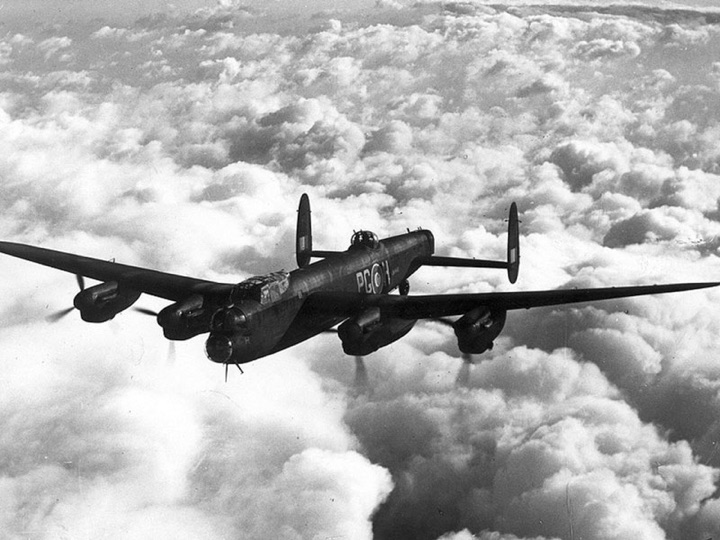
I grew up on a diet of tales from my Grandfather, an airframe mechanic serving in the Royal Air Force throughout World War Two. He worked on Wellingtons, Halifax and Lancaster bombers, before spending several years in the dust of Africa, repairing American light bombers such as the Douglas A20 Boston.
Christmas and New Year were always good times. After a few pints of ale, he’d sit me on his knee and tell me stories about the hot African desert, the wind and bitter cold of Lincolnshire working on the wing of a Lancaster, and how he developed a dislike of Americans, sailors in particular… I still have pictures of him in those huge crew photographs with everyone lined up across the wing span of a bomber.
So Bomber Command was familiar to me, 1000 bomber raids, so forth. It was only in recent years that I became aware of the hatred that many felt in the post war years towards the crews. Everyone has a personal view on this and I keep mine to myself. But when a copy of Into The Wind arrived, those thoughts resurfaced and the film makes very interesting viewing.
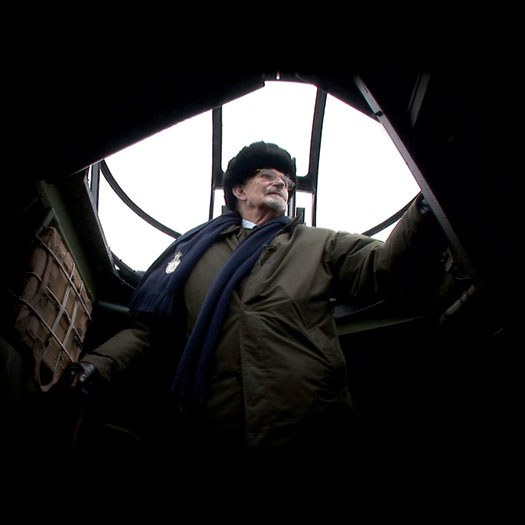
Two years in the making shot and edited by film maker Steven Hatton, he traveled to the far corners of the British Empire to record the thoughts, voices and recollections of bomber crews, many now into their nineties.
The genre and subject is not new, I’ve seen several TV documentaries on the subject recently. This particular DVD has a running time of over one hour, though, so whereas on TV slots, commercials and things eat into the run time, here we have a full hour or more of recollections.
The old airmen are also disarming in their honesty. Some actually admitting to being slightly uncomfortable with the carpet bombing policy of Harris, all freely admitting to the feeling of fear and still very deeply emotional the loss of comrades and the stressful randomness of who lived and who died each night in the skies over Europe.
Perhaps we will never know the innermost thoughts of Air Marshall Arthur Harris, as he sent crews out on raids, knowing full well of losses in excess of 50%, at the same time also knowing that their success meant death for many thousands of people. Anyone who took such decisions must undoubtedly have had times when they had to collect their thoughts. We can, however, listen to the viewpoints of the crews, their thoughts about the people below them and how they often kept these experiences to themselves, not wishing to glamourise war. They’re passing on now, so many of them. Since this was filmed, Ken Wallis has gone at the age of 97, still flying his autogyros. If just one person bought a copy of this DVD, it will have been worth making. For very soon they will all be gone and films like this are one of the few ways we have of preserving their voices, opinions, emotions and the look in their eyes as the recall their past. Anyone with even a passing interest would do well to watch this. And political leaders of our modern world would also serve their populations well if they listened to these voices.
You can order online via the dedicated website here.