 If you reuse this image, please credit and link back to historicracer.com.
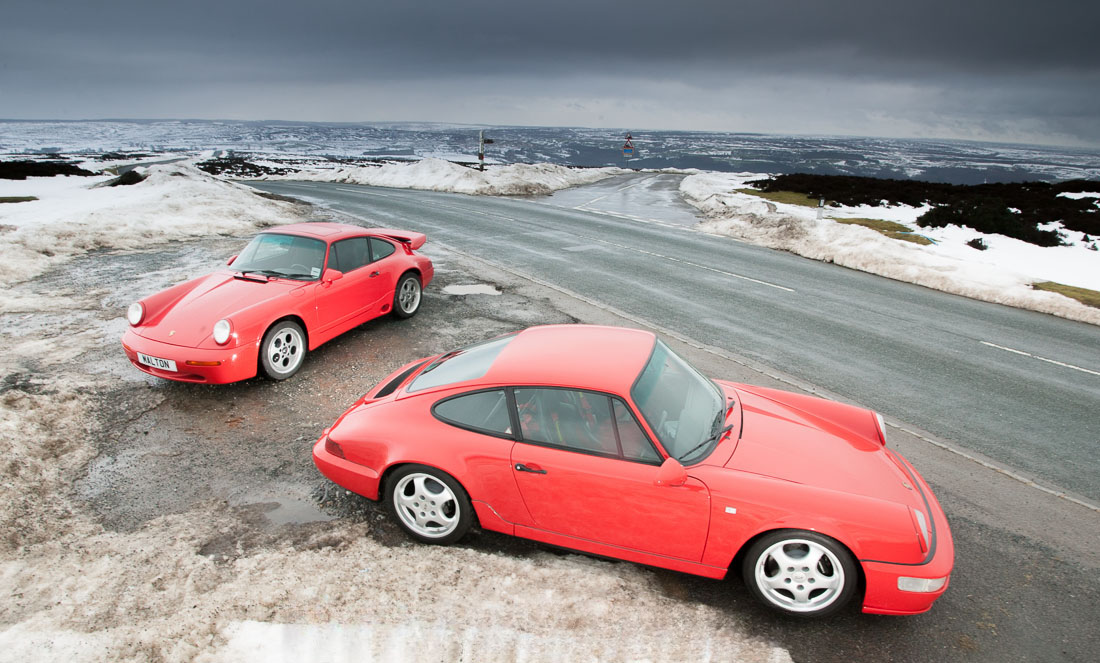 If you reuse this image, please credit and link back to historicracer.com. In 1992, Porsche revived the Carrera RS name in the 964. Based closely on the Cup Car of the period, it was the first serious attempt to rekindle the love for the original 2.7RS. Based on the remarkable ethos of charging more money for less car, it was a good way to revive a brand when funds were low. Porsche North America would have loved to import the Carrera RS in 1992, but instead they sold the RS America. In recent years, I’ve been asked several times, “Should I buy an RS America?” when examples have migrated to Europe. It’s a significantly different car, is the reply. So here’s why the RS America isn’t a European 964RS, plus why you should probably buy one anyway.
1. Blame North American federal type approval. Because so many components of the Euro 964RS were different, introducing this car into the USA would have meant homologating a whole new car. It wasn’t that Porsche thought American drivers wanted a cruiser, it’s just that it was simply too expensive for the returns of the limited production run that were projected.
2. It doesn’t have RS suspension, but it’s not a normal Carrera either. The different suspension settings of the European 964RS weren’t allowed. Back to these Federal homologation issues. However, it was allowed to take components from another homologated car and use those. So the RS America has 964 Turbo springs, dampers and anti-roll bar. The ride weight had to remain standard. So while it doesn’t drive like the RS, it’s a different car to a USA Carrera 2.
3. Porsche’s biggest market has always been the USA and Canada, so they didn’t want to miss out on a sales opportunity, but neither did they wish to ‘badge engineer’ a car as a marketing exercise. It wasn’t a ‘parts bin special’, they tried as hard as they could to create a truly different model, within the constraints of the budget and the rules.
4. Britain’s Vic Elford was instrumental in pushing forward the idea of selling something that was based upon a cost effective Carrera platform that appealed to the American Porsche drivers. He’s been a USA resident for many years and still had a lot of influence at Porsche
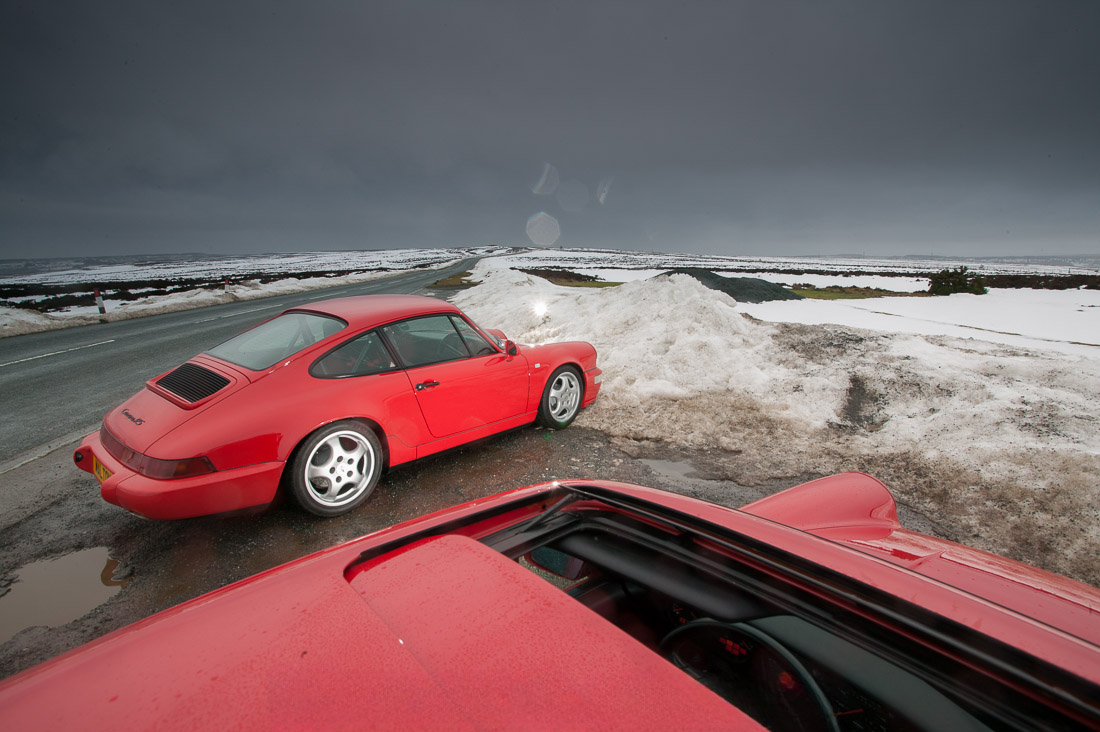
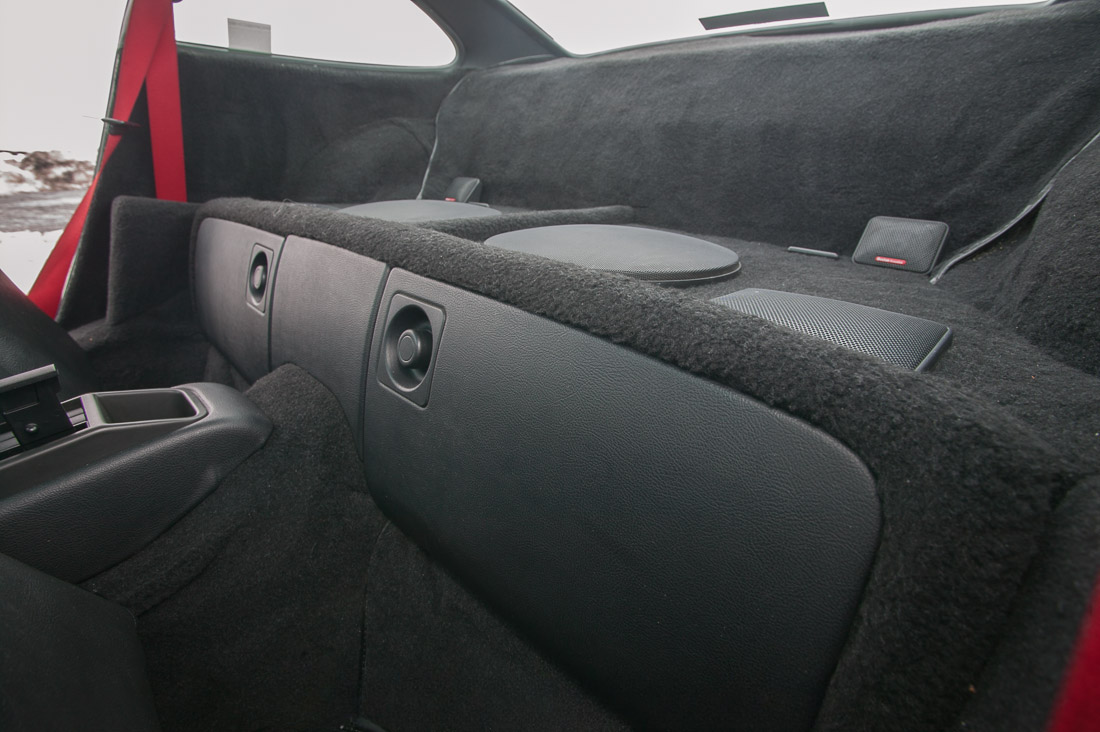
5. Back to homologation, the RS America is based upon the Carrera 2 USA spec body shell. So has no lightweight panels, thinner glass and a standard, spot welded body shell, rather than the seam welded RS shell with aluminium panels in Europe. It also came with a sunroof and some odd storage boxes behind the seats.
 If you reuse this image, please credit and link back to historicracer.com.
Storage behind front seats was Federal requirement
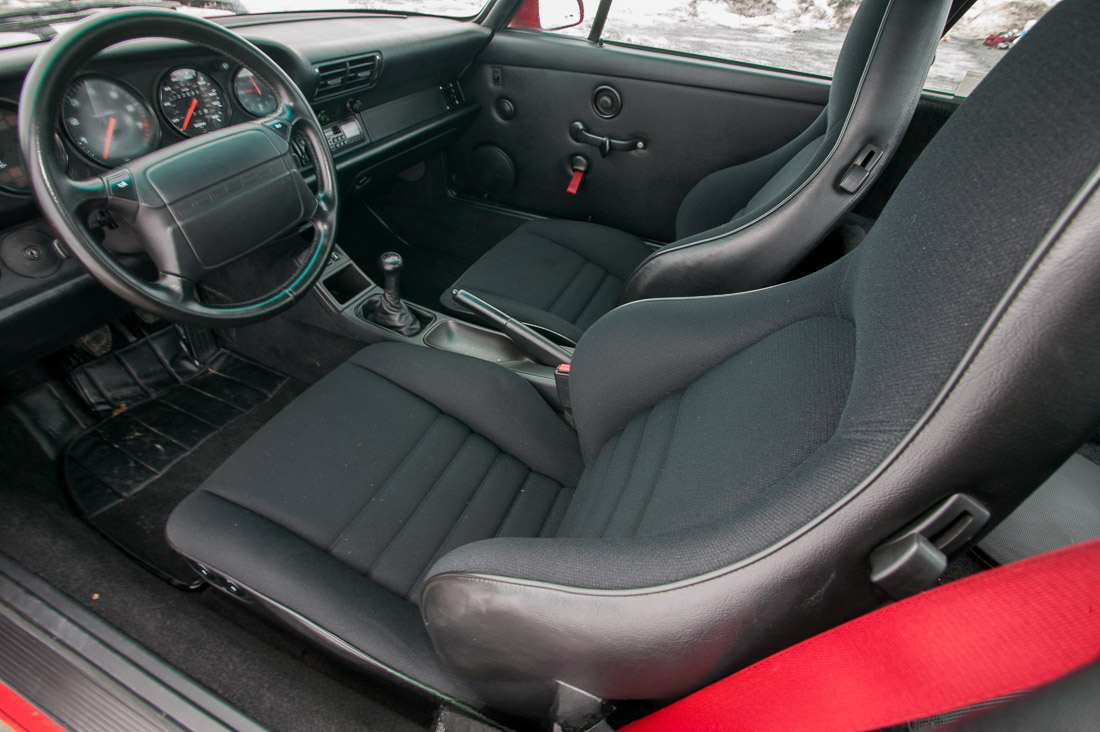
6. It looks very standard inside, compared to the RS. Standard, heavy power adjustable sports seats, electric windows and airbags. In a nod to racing heritage, it does, however, have the lightweight door cards and door pull straps
7. In the USA, the cars were sold for $10,000 less than the Carrera 2 with more equipment, not less. This made the car appealing to enthusiast owners and it sold very well.
8. It had a G Series style rear wing, not the European moveable deck lid. A good or a bad point? That all depends upon your views on how the 911 silhouette looks at it’s best.
9. It’s not a European 964RS, best not to think of it that way. But, it is a genuine, rare limited numbers, special edition Porsche 964 Carrera. That alone makes it a collectable car and one that will always out perform a standard 964 when it comes time to sell.
How do they compare behind the wheel? It’s an unfair comparison, to be honest
 If you reuse this image, please credit and link back to historicracer.com.
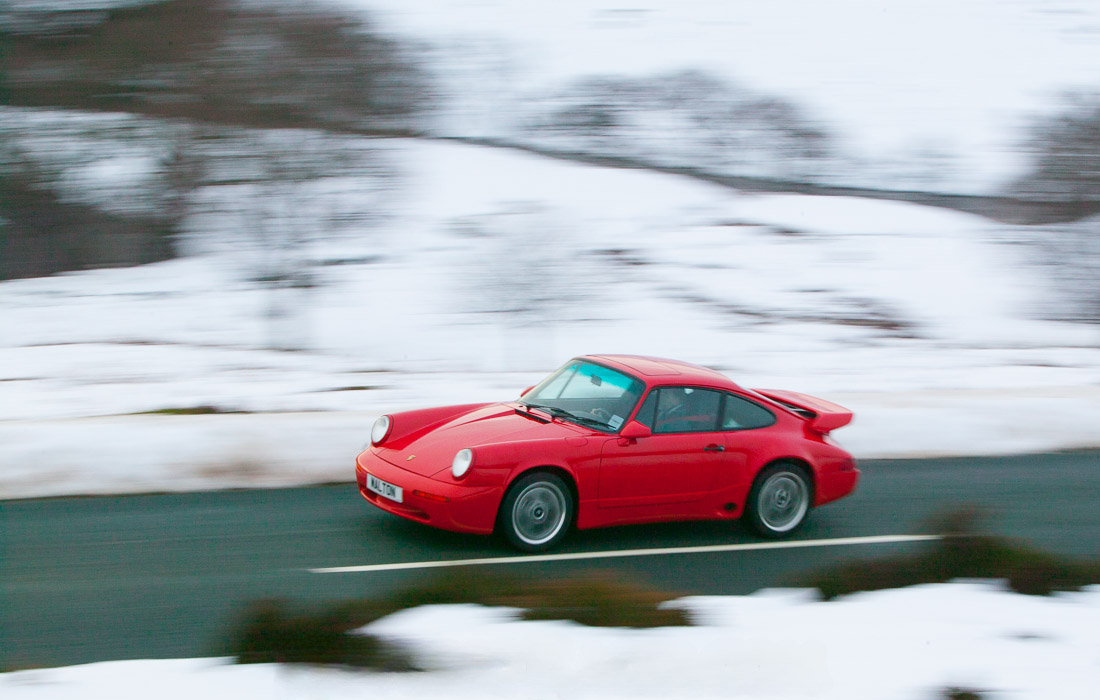
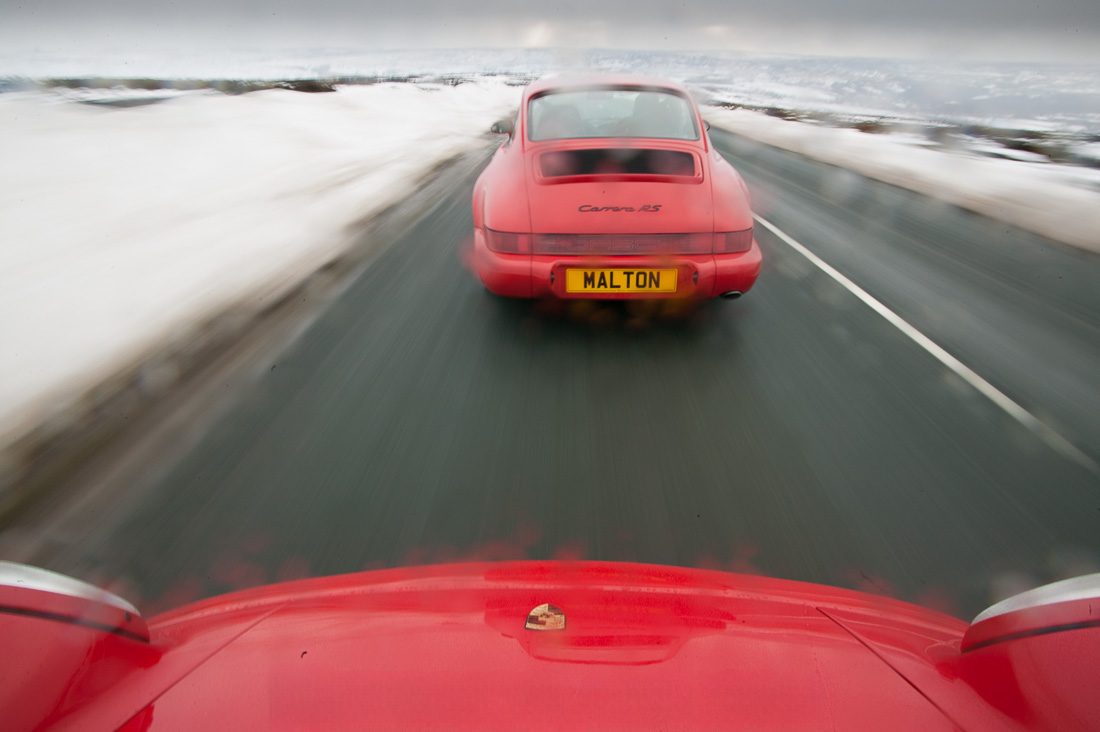
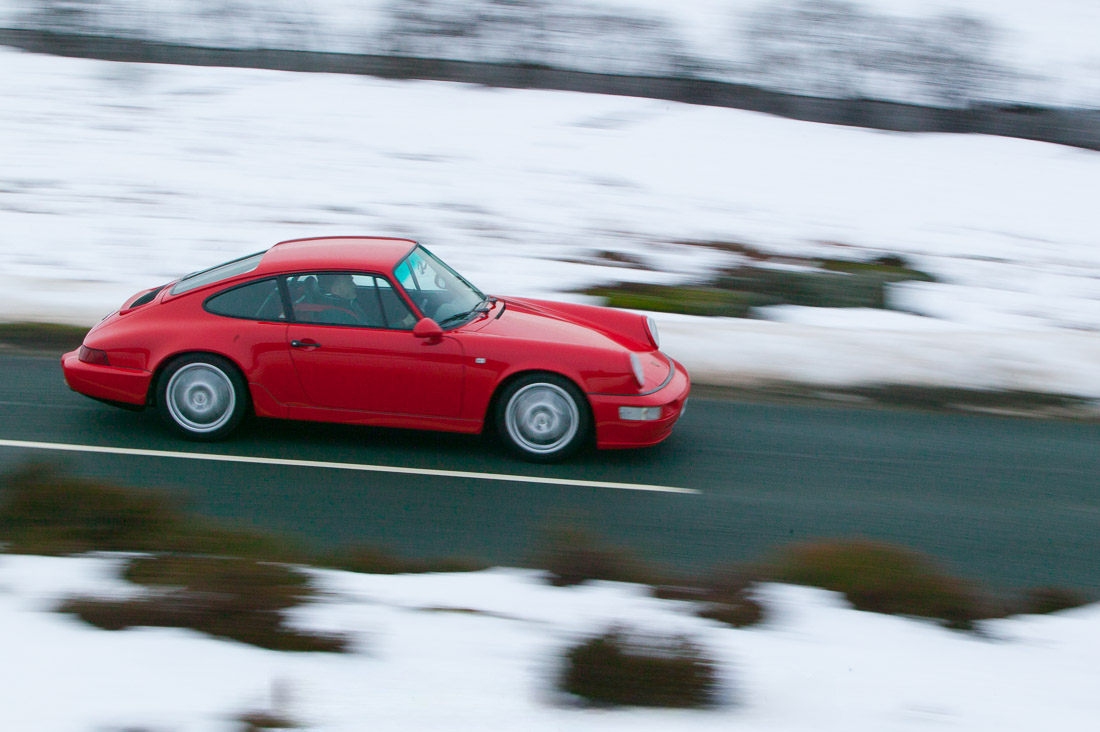
On freezing cold Yorkshire roads, the RS America actually easier to drive
So how do they compare behind the wheel? It’s an unfair comparison, to be honest. If you’re in the market for a 964RS, the RS America is most certainly not for you, but here goes. We’re standing in mid-winter on the bleak moorland of North Yorkshire. Snow is piled high beside the road and rivers of water are running across the roads as a thaw begins. Hardly a good place to be driving an RS America that would probably be happier against a California sunset, even less ideal for a 964RS running on Michelin Sport Pilot tyres.
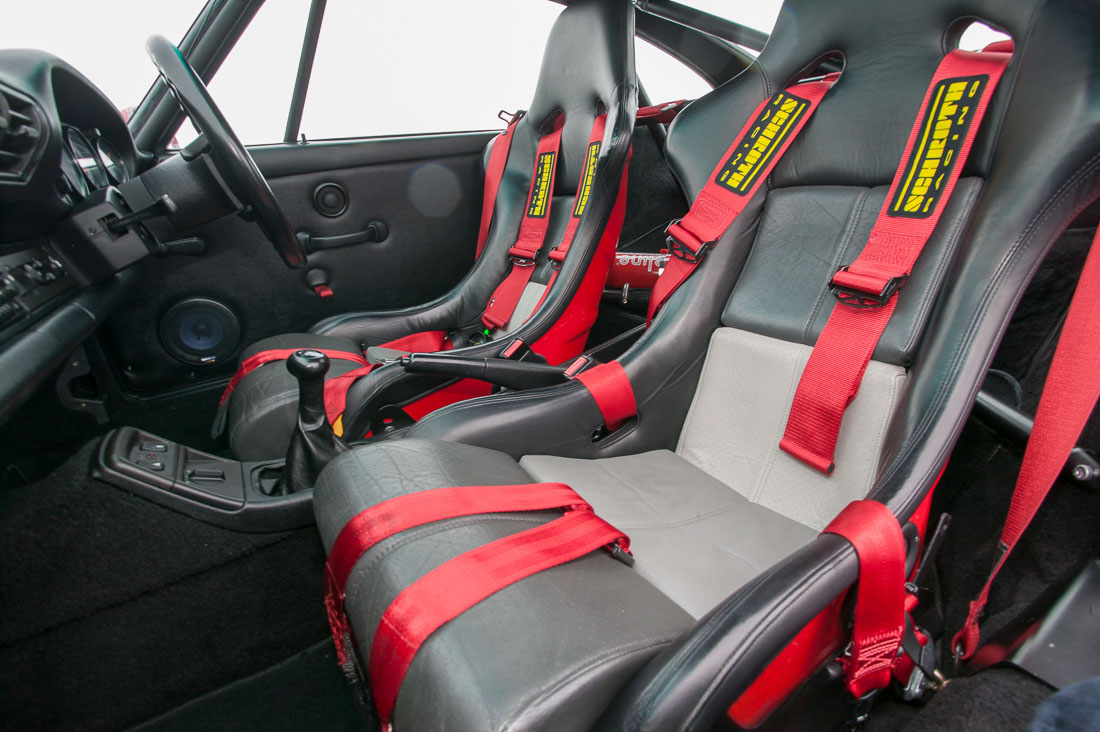
On these bumpy, undulating roads, freezing cold, with limited grip, it would be easy to hate the 964RS, had I not driven them in more suitable conditions. That well known, rock hard suspension setup, nowhere near supple enough for Yorkshire tarmac crumbling after a deep winter freeze. Even so, pull that lightweight door shut with that race-car like echo of empty door and start up that brilliant engine and smile. You feel the engine through your back and shoulders and the lightweight competition seat. Just a short drive, we can talk about the 964RS some other time. Even with stone cold tyres, the tight differential hooks us up and you recall the ethos behind the car. Flywheel the size of a teacup, the throttle response is akin to a flick knife, you’d never guess at the engine’s capacity from the throttle response alone. It only takes a few miles for that feeling to return and the addictions of the 964RS’ personality take over. Better turn around, really. Not the day to be trying to get heat into those Michelins.
 If you reuse this image, please credit and link back to historicracer.com.
European 964RS interior totally different to RS America
Swap to the RS America. The heavy steel door and softer seat make it feel far more ‘standard’ Carrera, if you get the idea. In this scenario, on this road in this weather, the softer Turbo suspension settings actually feel better in many ways. There’s nothing remotely like the immediacy of the Euro 964RS, but its certainly more poised than a standard Carrera 2, in particular around the front end. The engine’s response is a disappointment if you’ve driven the RS, feeling far more standard and if swapping directly from the RS, feels flat and dissapointing. Which is unfair. Without access to the components of the RS, there’s no way an RS America will feel the same and that shouldn’t be expected.
 If you reuse this image, please credit and link back to historicracer.com.
Driven back to back, the two cars are utterly different
But it’s still a Porsche 964. The whole 964 series is probably my own personal favourite of the 911 dynasty, with a particular soft spot for the 964RS and the Anniversary. So don’t think of the RS America as a ‘soft’ RS. Think of it along the lines of other limited production 964’s such as the Anniversary, a model in it’s own right. If like me, you yearn to own a 964RS, it’s not the car for you, so don’t think you’re getting a bargain RS. If you’re looking for a 964 with rarity that will outpace other models as an investment, then it’s a good long term buy.
Thanks to Specialist Cars for the drive and also take a look at RS America .net a good resource for owners. Scroll down for more pictures.
 If you reuse this image, please credit and link back to historicracer.com.
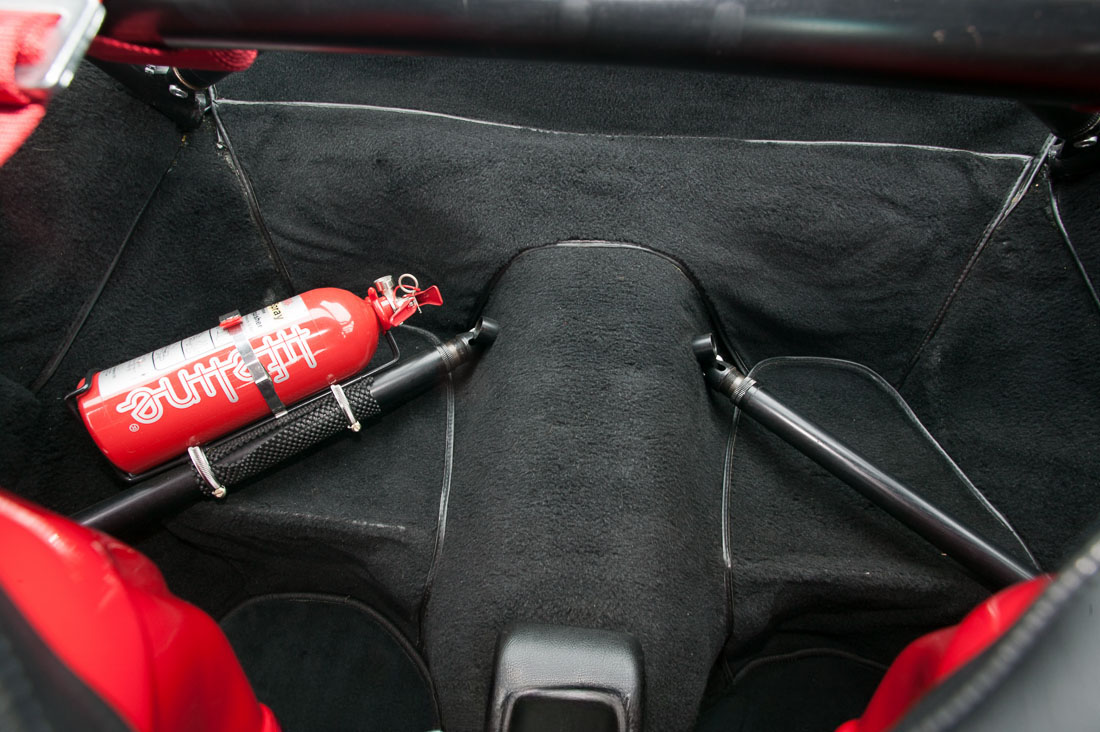
Euro RS interior, lightweight and no rear seats
 If you reuse this image, please credit and link back to historicracer.com.
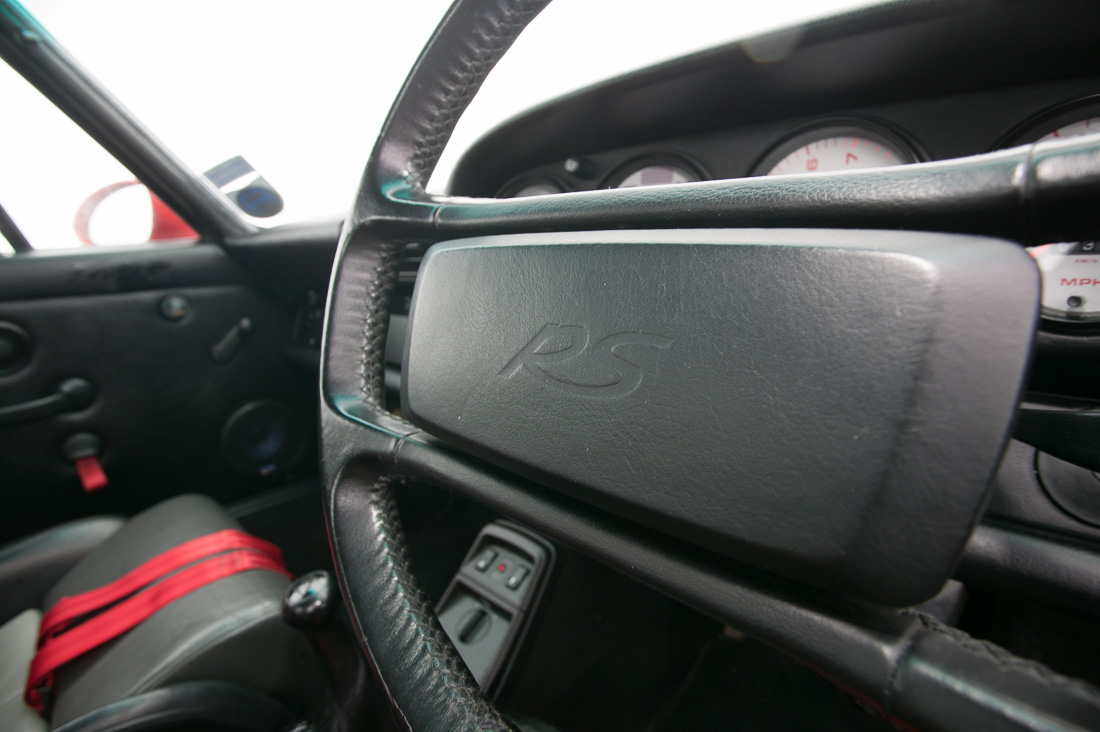
Non-airbag RS steering wheel
 If you reuse this image, please credit and link back to historicracer.com.
RS America interior more conventional
 If you reuse this image, please credit and link back to historicracer.com.
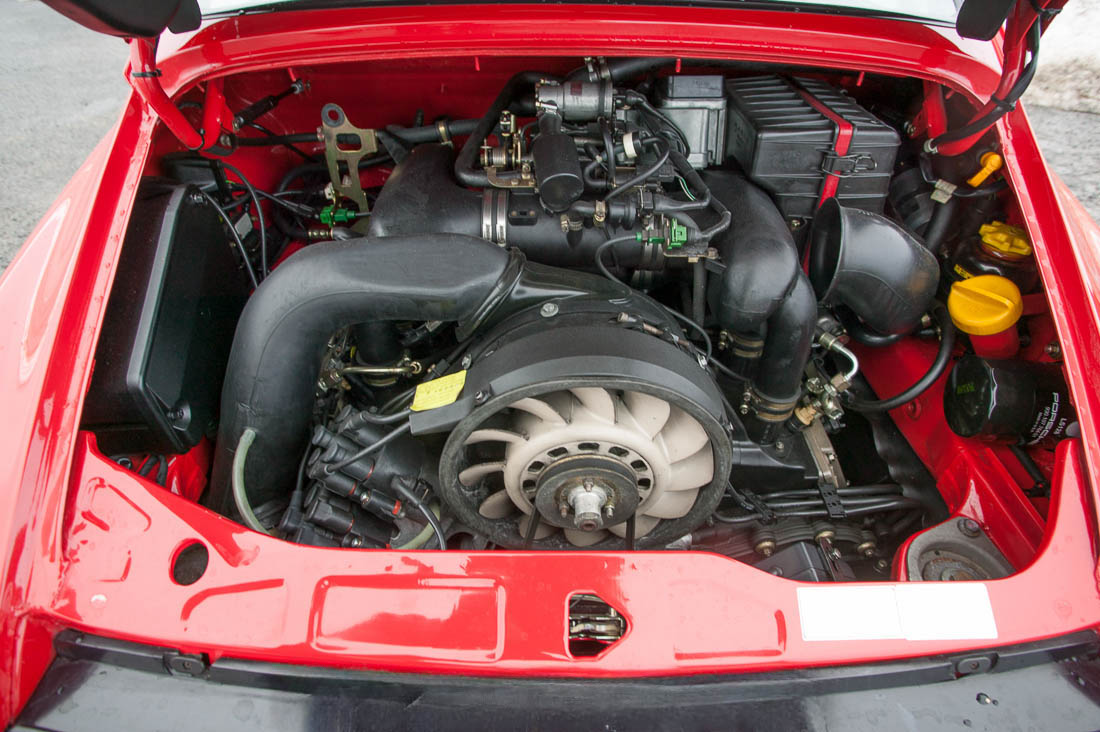
Euro RS engine
 If you reuse this image, please credit and link back to historicracer.com.
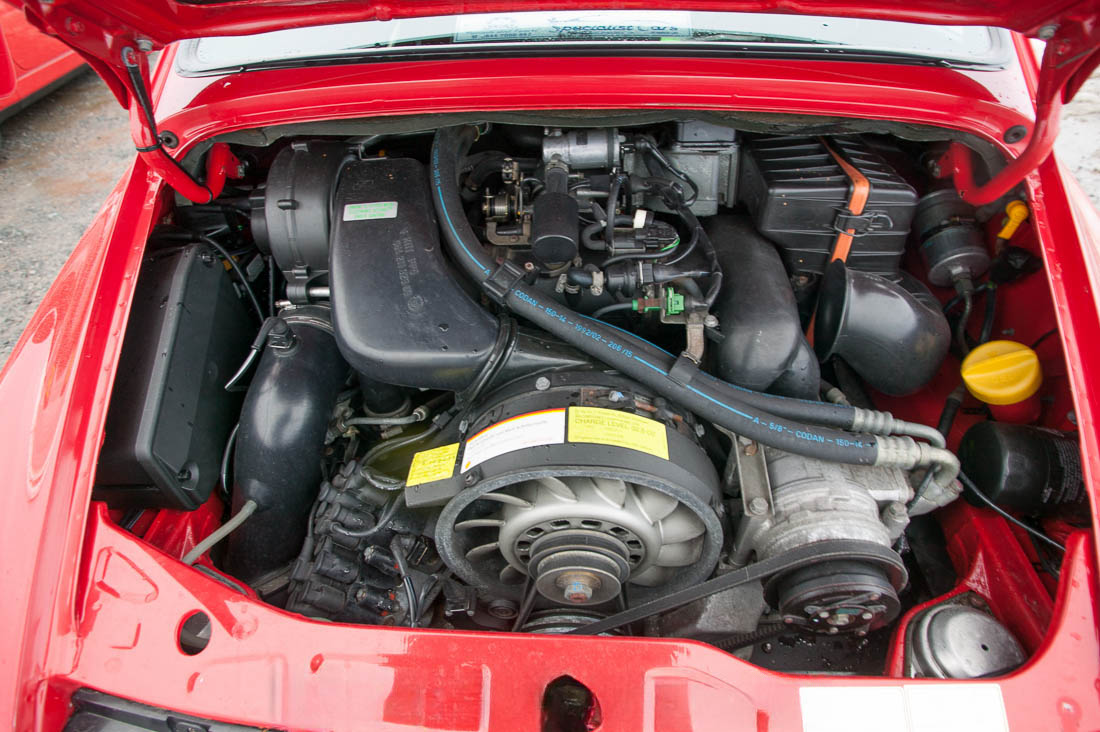
RS America. This car has air conditioning fitted
Sunroof standard on RS America
 If you reuse this image, please credit and link back to historicracer.com.