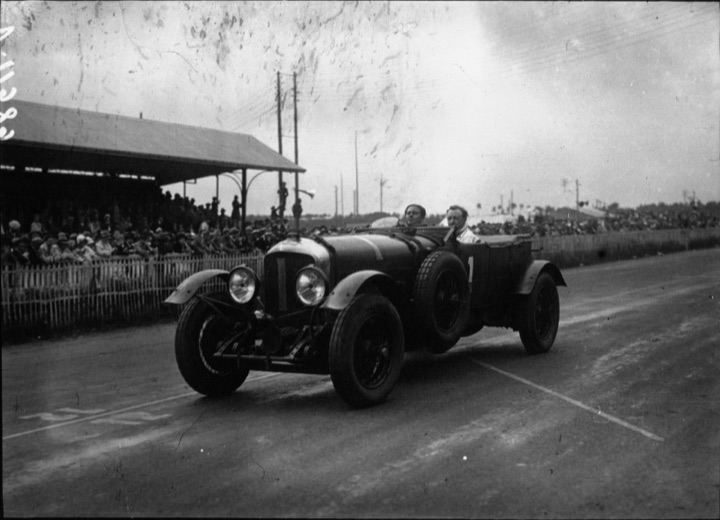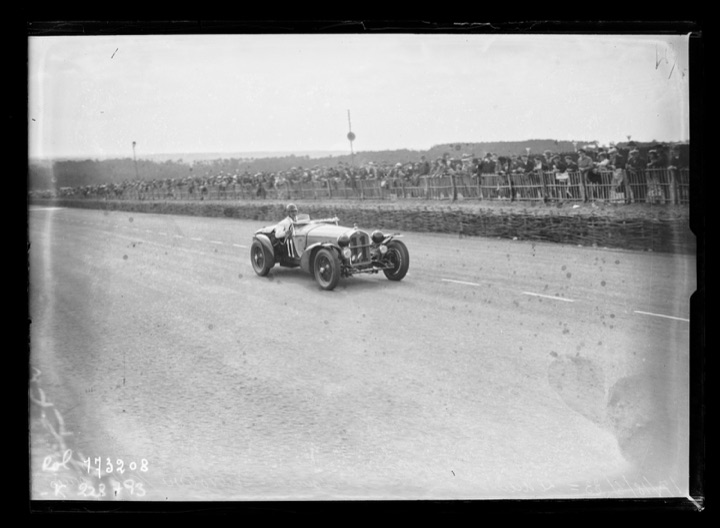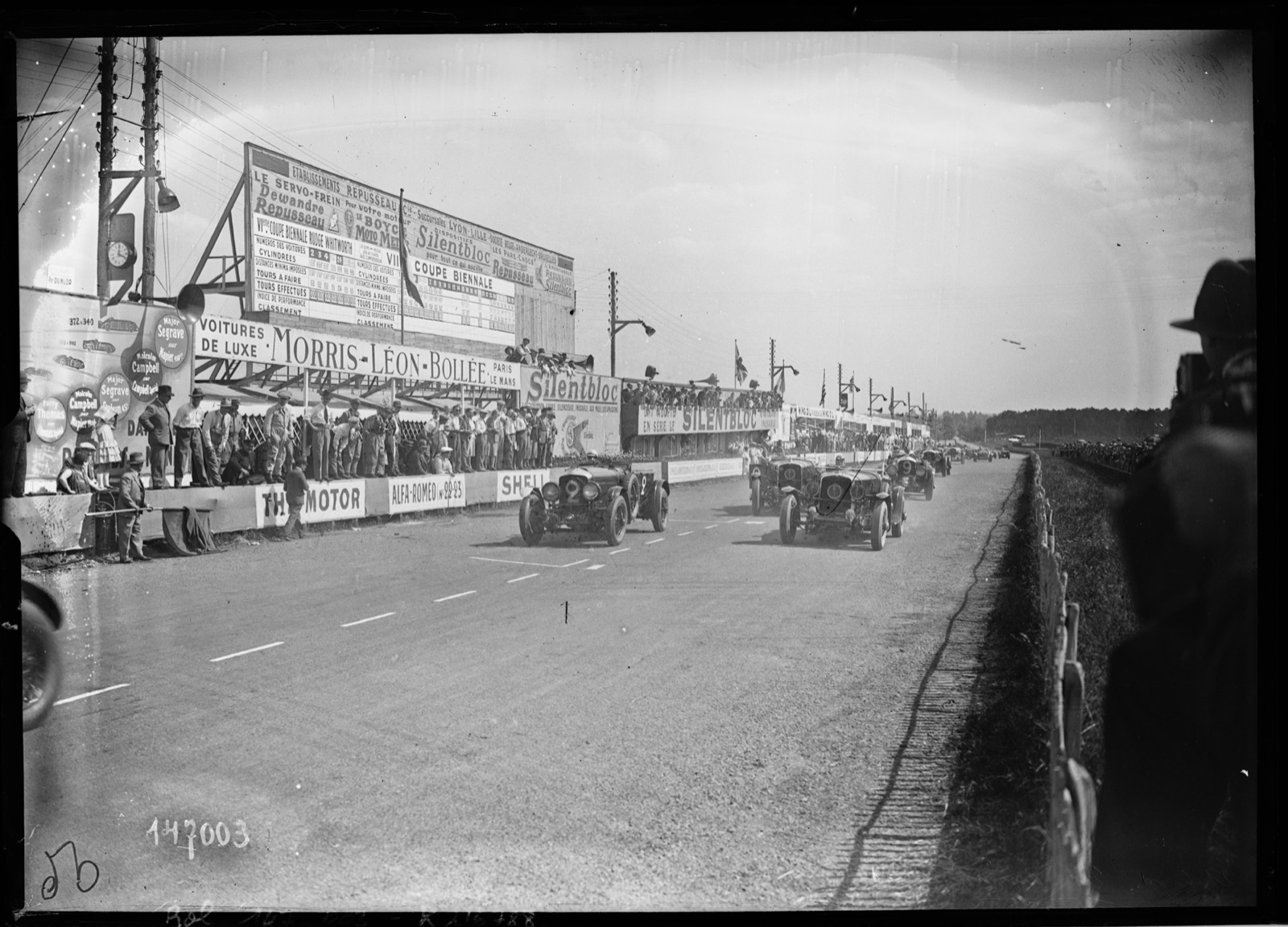
The Blower Bentley is the supercharged Bentley 4½ Litre of 1929 to 1931, the car Sir Henry 'Tim' Birkin had built against W. O. Bentley's wishes: an Amherst Villiers Roots-type supercharger on the nose of the crankshaft took the four-cylinder engine from 110 bhp to some 175 bhp, according to Gordon Cruickshank's history in Motor Sport, January 1989. Bentley built 50 road cars so that Birkin's team, paid for by the Hon. Dorothy Paget and prepared at Welwyn Garden City, could enter Le Mans; by Cruickshank's count the team placed in six of its ten races and won none, its two second places being Birkin's in the 1930 French Grand Prix at Pau and Benjafield and Hall's on handicap in the 1930 BRDC 500 Miles. Birkin's Blower Bentley single-seater won handicaps at Brooklands and set the Outer Circuit lap record of 137.96 mph on 24 March 1932, which stood until John Cobb beat it in 1934, as Motor Sport reported at the time.
Who built the Blower Bentley, and why?
The Blower Bentley was Tim Birkin's project: he wanted more power from the 4½ Litre for the 1929 season and went to Amherst Villiers, who had supercharged Raymond Mays's Villiers Vauxhall, to provide it (Cruickshank, 1989). Birkin had shared the winning Bentley with Woolf Barnato at Le Mans in 1929, and he argued that the 4½ Litre was too slow and outdated, wrote Bill Boddy in "Monoposto!", Motor Sport, July 1999. Barnato, the company's chairman and backer, supported him, and W. O. Bentley agreed against his inclination.
Birkin, Villiers and Dorothy Paget's money
Birkin set up Birkin & Couper Ltd in Welwyn Garden City with Mike Couper to build and race the supercharged cars, and the works there produced the prototype in the summer of 1929 (Bonhams). Clive Gallop, who had worked on Count Zborowski's Chitty-Bang-Bang cars, joined Villiers on the engine (Boddy, 1999). The money came from the Hon. Dorothy Paget, daughter of Lord Queenborough and a racehorse owner whose horses included the five-times Gold Cup winner Golden Miller, as Doug Nye records in "The legend of the Blower Bentley: magic or myth?", Motor Sport, October 2021. For the single-seater's engine, Bonhams' catalogue says, the enlarged crankshaft and special connecting rods were drawn by Villiers's chief draughtsman, Tom Murray Jamieson. News of the model was broken in The Autocar of 5 July 1929, Nye adds.
The 50-car rule for Le Mans
The Blower Bentley had to exist as a production car before it could race at Le Mans, because the race's organisers, the ACO, required at least 50 to have been built (Cruickshank, 1989). Birkin wanted the cars for the 1929 race, but they were not ready, and two unsupercharged 4½ Litres were entered in their place. The 50 road cars were laid down at Bentley's Cricklewood works while Birkin's racing cars were built at Welwyn, and the model first raced at Le Mans in 1930.
Why W. O. Bentley opposed the Blower Bentley
The Blower Bentley went against the answer of Walter Owen Bentley, the company's founder and designer, to rising speeds, which was a bigger engine: Bentley Motors' heritage page for Team Car No. 2 says so, and Boddy (1999) writes that W. O. preferred to develop the Speed Six and the later 8 Litre. His verdict on supercharging is quoted in several forms. The National Motor Museum at Beaulieu gives it as "to supercharge the Bentley engine was to pervert its design and corrupt its performance"; Nye (2021) has "pervert its design and corrupt its performance", and Cruickshank (1989) gives W. O.'s view of the conversion as "corruption and perversion".
W. O. explained his objection at more length in words that Bonhams' 2012 catalogue for the single-seater quotes. Of Birkin & Couper he wrote: "They would lack in their preparation all the experience we had built up in (our own) racing department over 10 years. I feared the worst and looked forward to their first appearance with anxiety." Of Birkin: "Tim had a constant urge to do the dramatic thing." Of Birkin's 1930 Le Mans entry he wrote that "we were obliged, in order to meet the regulations, to construct no less than fifty of these machines for sale to the public". And of the result: "The supercharged 4½ never won a race, suffered a never-ending series of mechanical failures, brought the marque Bentley disrepute and incidentally cost Dorothy Paget a large sum before she decided to withdraw her support in October 1930."
The same catalogue answers him: the single-seater won at Brooklands, so "never won a race" is wrong, and it reminds readers that W. O. wrote after the collapse of his company. He still rode as Birkin's mechanic in the 1929 Tourist Trophy at Ards (Boddy, 1999), and before the 1929 BRDC 500 Miles he had advised against the flexible exhaust pipe that later set UU 5871's fabric body alight (Bonhams). RM Sotheby's 2021 catalogue for the first production car gives his grounds as harm to handling and reliability.
Blower Bentley design and engineering
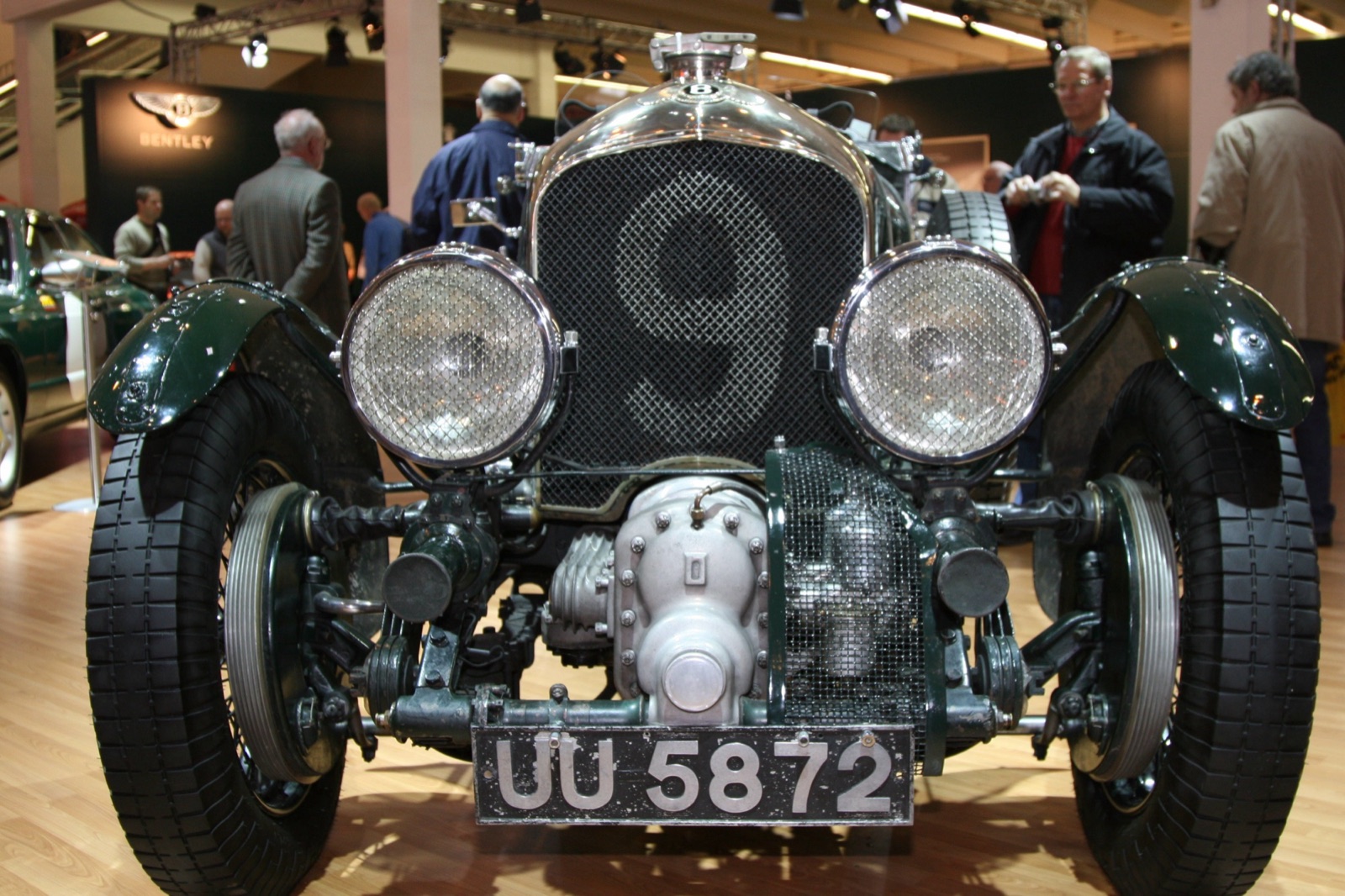
The Blower Bentley is a 4½ Litre with a Roots-type supercharger mounted in front of the radiator and driven straight off the front of the crankshaft through a fabric flexible joint, so that it turned at engine speed (Cruickshank, 1989). Bentley's heritage pages name the unit as the Amherst Villiers Mk IV.
The Amherst Villiers supercharger
Villiers chose the Roots type, then about the most efficient, and fed its bearings from the engine's own oil system, so no oil had to be mixed with the petrol; lubrication troubles dogged the cars all the same (Cruickshank, 1989). Two SU carburettors on the nearside fed the supercharger, and a long cast trunk on the offside led to a manifold with two blow-off valves to protect the vanes from a backfire. Its size let it hold a boost of 10 lb/sq in at about 3,900 rpm. The production units are numbered 101 to 150, the last two digits usually matching or close to the chassis number's, according to Clare Hay's report as quoted in RM Sotheby's 2015 catalogue for chassis MS 3929.
The first batch's superchargers had smooth, double-walled casings, which were awkward to make and suffered from uneven expansion; Villiers changed to a single wall with ribs for strength and cooling, so the second batch of 25 cars is easy to tell apart (Cruickshank, 1989).
Engine and chassis changes
The engine has four cylinders of 100 × 140 mm (a displacement of 4,398 cc), a single overhead camshaft, four valves per cylinder and a cast-iron cylinder head that cannot be detached from the cylinders. For the supercharger it got a heavier crankshaft and crankcase, heavier pistons and stronger connecting rods, and the chassis an altered cross-member to carry it (Cruickshank, 1989). Villiers specified a counterbalanced crankshaft, but it was fitted only to the racing cars; Nye (2021) blames its absence for the production cars' centre main bearing failures. The radiator core was thickened to make up for the section cut away at the bottom to clear the supercharger, and a 25-gallon fuel tank replaced the 16-gallon one as standard during production.
The rest is the 4½ Litre's: a pressed-steel frame on half-elliptic leaf springs, Bentley-Perrot mechanical brakes with 15.75 in drums, worm and sector steering and the four-speed D-type gearbox, a transmission Cruickshank found demanding to drive (Bentley's heritage pages; Cruickshank, 1989). Vanden Plas bodied 34 of the 50 road cars, and only seven had closed bodies (Cruickshank, 1989).
Blower Bentley specifications and performance
The Blower Bentley's figures differ by source and by tune, so the table names the source of each.
| Item | Figure | Source and notes |
|---|---|---|
| Engine | Four cylinders in line, single overhead camshaft, four valves per cylinder, non-detachable cast-iron cylinder head | Bentley |
| Bore × stroke, displacement | 100 × 140 mm, 4,398 cc | Bentley; the single-seater was bored to 4,442 cc for 1932 (Boddy, 1973) |
| Supercharger | Amherst Villiers Mk IV, Roots type, driven from the crankshaft at engine speed | Bentley; Cruickshank (1989) |
| Boost | 10 lb/sq in at about 3,900 rpm | Cruickshank (1989); 12 lb/sq in on the single-seater by 1932 (Boddy, 1973) |
| Compression ratio | Up to 5.3:1, depending on specification | Cruickshank (1989) |
| Power, road car | 175 bhp (at 3,500 rpm in Cruickshank) | Bentley; Cruickshank (1989) |
| Power, racing | 240 bhp | Bentley ("in race tune"); Boddy (1973) for the single-seater |
| Power, unsupercharged 4½ Litre | 110 bhp, or 100 bhp | Cruickshank (1989) and Nye (2021); Bentley's GH 6951 page |
| Gearbox | Four-speed D-type, single dry-plate clutch | Bentley |
| Brakes | Bentley-Perrot mechanical, 15.75 in (40 cm) drums | Bentley |
| Wheelbase | 10 ft 10 in (130 in) | RM Sotheby's (MS 3929); UU 5872 was rebuilt on a 9 ft 9 in chassis in 1930 (Bentley) |
| Weight | 34 cwt | Nye (2021) |
| Price new | £1,720 with Vanden Plas four-seater tourer body, 1930 | Bentley's GH 6951 page |
How much horsepower did the Blower Bentley have?
The Blower Bentley road car had about 175 bhp, against 110 bhp for the unsupercharged 4½ Litre (Cruickshank, 1989; Nye, 2021), and Bentley gives 240 bhp in race tune. Bentley's page for its demonstrator, GH 6951, puts the unsupercharged engine at 100 bhp and calls the racing engine "overstressed", while the road cars were "reliable and tractable". Bonhams' catalogue says the single-seater's 240 bhp, on an alcohol mixture, was some 65 bhp more than a standard car on benzole petrol. RM Sotheby's catalogue for MS 3929 gives that car 182 bhp.
How fast was the Blower Bentley?
The Blower Bentley tourer shown at Olympia in 1929 was quoted as good for 98 to 103 mph (Boddy, 1999), and Nye (2021) calls the production cars "105mph Blowers". When The Autocar tested MS 3942 in 1934, it found "a full 100 mph available in top" but gave no maximum, and 70 mph was "a real cruising speed" (Cruickshank, 1989). Birkin's team cars were advertised in Motor Sport in May 1931 as guaranteed to reach 125 mph in racing trim, according to Bentley. At Le Mans in 1930 Birkin's car was "howling up to 126 m.p.h." on the straight, in Motor Sport's race report of July 1930, and Boddy (1999) says that by 1932 the single-seater, on 12 lb of boost and a compression ratio of 6:1, could reach 145 mph.
What is the Blower Bentley like to drive?
The Blower Bentley road car is hard work, by Cruickshank's account of driving MS 3942 on American roads for Motor Sport in 1989: first gear is unsynchronised, the clutch fierce and the steering "seems to be carved from solid metal", yet the car has "massive pull in all gears", climbs medium-sized hills in top, and its drum brakes are "as solid underfoot as a good hydraulic disc set-up". "If it is hard work at speed, negotiating a slow tight corner makes the sweat start from the brow," he wrote. Boddy (1973), who drove the single-seater on the road in August 1973, found its brakes "the equal of today's hydraulic brakes" and that "the acceleration is exceptionally good"; the gear lever and a long brake lever sit outside the body, a dashboard control tests the two magnetos, and heat from the silencer beside the cockpit soon engulfed him. On Birkin's original axle, Boddy reckoned, the car saw about 145 mph at 4,200 rpm off the Brooklands bankings.
How many Blower Bentleys were built?
Fifty production Blower Bentleys were built, by the counts of Bentley Motors, Motor Sport, the National Motor Museum and the auction houses cited here; they differ on the racing cars, which Bentley Motors counts as four and Clare Hay, the Bentley historian, as five. Bentley's heritage page for UU 5872 says Barnato approved "54 supercharged 4½ Litre Bentleys, with four allocated for competition"; Nye (2021), citing Hay, and RM Sotheby's 2021 catalogue count five team cars plus the 50.
The 50 production cars
The production Blower Bentleys were built in two series of 25, and "exactly 50 was the number built" (Cruickshank, 1989). Michael Hay, another Bentley historian, took that as a sign of a commercial flop: the factory could have built more, yet many were passed between dealers at discounted prices, and when Bentley went into receivership in 1931 several were still unsold and were bought, bodied and sold by Jack Barclay. Boddy (1999) gives deliveries as April 1930 to September 1931. The exception is SM 3903, which RM Sotheby's describes as the first production car, the only one completed in 1929, shown on stand 130 at the Olympia Motor Show that October.
Birkin's team cars: four or five?
Birkin's team Blower Bentleys were built at Welwyn, and Nye (2021) lists the five that Hay identified. Bentley Motors, Boddy (1999) and Classic & Sports Car's 2019 report count four; the fifth in Hay's list was assembled from spares.
| Registration | Chassis | What it did |
|---|---|---|
| YU 3250 | Not given | The first car; Kidston and Clive Dunfee (Nye; Jack Dunfee in Motor Sport's June 1930 report) in the 1930 Double Twelve; 11th in the 1930 Tourist Trophy with Bertie Kensington-Moir |
| UU 5871 | HB 3402 (Bonhams; Motor Sport, 1973) | Raced from June 1929, then rebuilt as the Birkin single-seater for 1930 |
| UU 5872 | HB 3403 (Bentley) | Team Car No. 2 in Bentley's numbering; rebuilt on a shorter chassis with a Vanden Plas body in 1930; Birkin's car at Le Mans in 1930 |
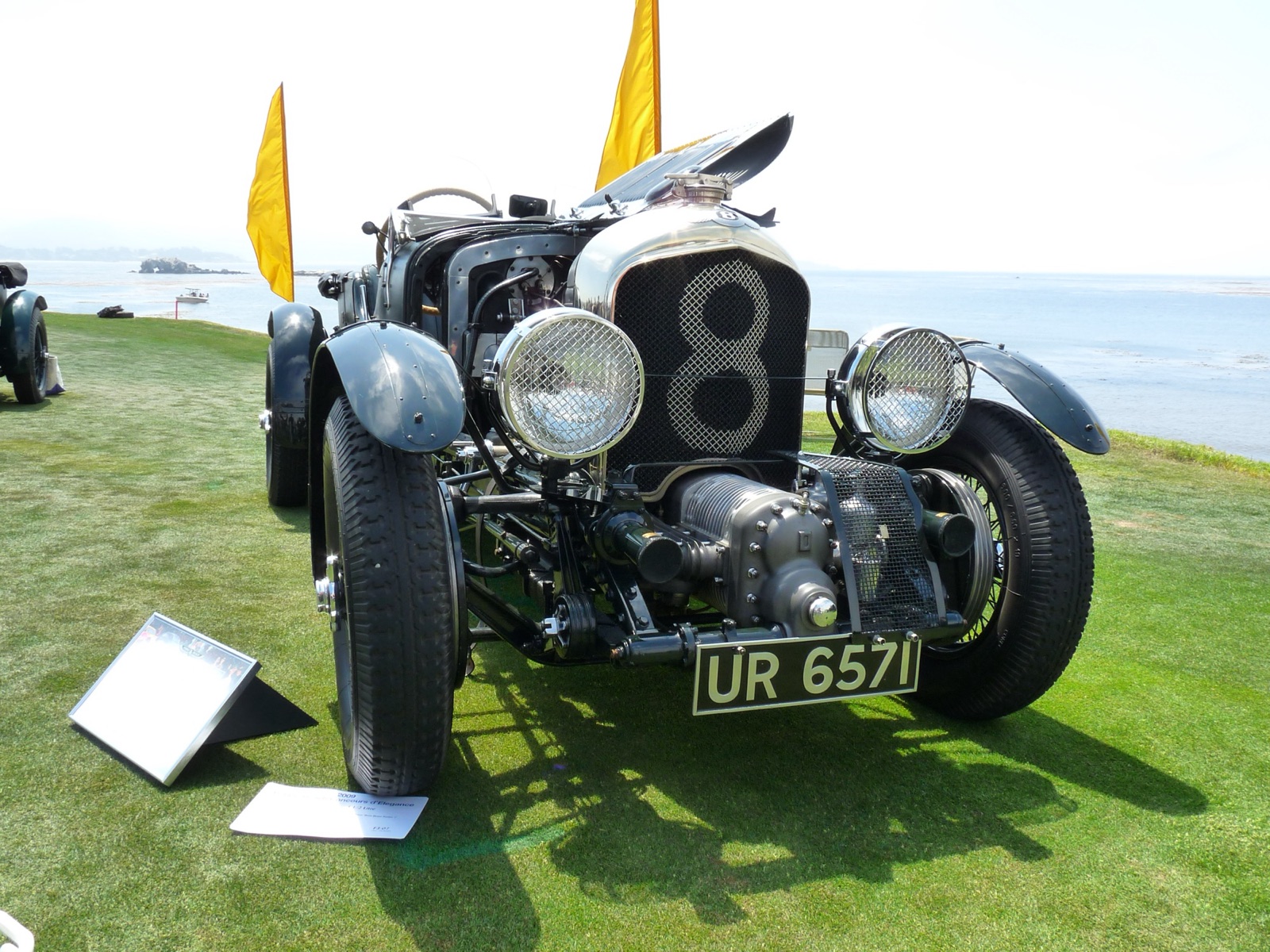
| UR 6571 | Not given | Benjafield and d'Erlanger in the 1930 Double Twelve; Birkin's car at Pau in 1930 |
| UR 9155 | Not given | Assembled from spares on a 10 ft 10 in chassis |
The numbering differs between sources too: Nye calls UU 5871 the second car and UU 5872 the third, while Bentley calls UU 5872 the second of four, and Bonhams calls the single-seater's engine the "number one 'Blower' engine".
The Birkin single-seater
The Blower Bentley single-seater is UU 5871, chassis HB 3402, and its engine, SM 3901, was "the very first blower-4½ litre power unit", Boddy wrote in "Driving the ex-Birkin Blower-4½ single-seater Bentley", Motor Sport, October 1973. It began as a four-seater, ran the 1929 BRDC 500 Miles with a fabric two-seater body, and was rebuilt as a track car over the winter of 1929–30 on its 10 ft 10 in chassis, without front brakes, with a body designed by Reid Railton and built by A. P. Compton & Co of Merton. Villiers designed a counterbalanced crankshaft and heavy H-section connecting rods for it, and it gave 240 bhp (Boddy, 1973). Boddy (1973) found it still carrying the prototype Villiers supercharger in 1973. It was blue until 1932, when Birkin had it painted red.
Blower Bentley racing history
The Blower Bentley team raced from June 1929 to October 1930 and placed in six of its ten races without a win (Cruickshank, 1989). The single-seater raced on at Brooklands until August 1932.
| Race | Date | Blower Bentley results | Source |
|---|---|---|---|
| Six Hours, Brooklands | 29 June 1929 | Birkin (UU 5871) retired | Nye; Bonhams |
| Irish Grand Prix, Phoenix Park | 13 July 1929 | Birkin 3rd; the second car 8th | Bonhams; Cruickshank (1989); date from the Motor Sport database |
| Tourist Trophy, Ards | August 1929 | Birkin at the wheel, with W. O. Bentley as riding mechanic, 11th in Boddy (1999) and 2nd overall in Bonhams' catalogue; Rubin overturned | Boddy (1999); Bonhams; Bentley |
| BRDC 500 Miles, Brooklands | 12 October 1929 | Birkin (UU 5871) retired: the exhaust failed and the body caught fire | Nye; Bonhams |
| Double Twelve, Brooklands | 9–10 May 1930 | All three retired: Birkin and Chassagne (cracked frame), Kidston and Clive Dunfee (valve; Jack Dunfee in Motor Sport's June 1930 report), Benjafield and d'Erlanger (axle pinion) | Nye; Motor Sport, June 1930 |
| Le Mans 24 Hours | 21–22 June 1930 | Both starters retired: Birkin and Chassagne (No. 9, 138 laps), Benjafield and Ramponi (No. 8, 144 laps) | Motor Sport database; Motor Sport, July 1930 |
| Irish Grand Prix, Phoenix Park | 19 July 1930 | Birkin 4th (UU 5872); Chassagne (UR 6571) and Harcourt-Wood (YU 3250) fell back | Nye |
| Tourist Trophy, Ards | 23 August 1930 | Kensington-Moir 11th, Benjafield 12th; Birkin crashed | Nye |
| French Grand Prix, Pau | 21 September 1930 | Birkin 2nd | Motor Sport, October 1930 |
| BRDC 500 Miles, Brooklands | 4 October 1930 | Benjafield and Hall 2nd on handicap (UU 5872, 112.12 mph); Birkin and Duller 9th in the single-seater; Eyston and Harcourt-Wood retired | Nye; Bentley |
1929: the first races
The Blower Bentley first raced in the Brooklands Six Hours on 29 June 1929, a fortnight after Le Mans, and retired (Cruickshank, 1989); Nye (2021) suggests lubrication trouble, the nose-mounted supercharger blocking the air around the sump. In the BRDC 500 Miles that October, Birkin's car lapped at over 121 mph at the start and fought Kaye Don's V12 Sunbeam until oil mist from the bonnet coated his goggles and his hands slipped on the steering wheel; later the flexible exhaust pipe failed and flame set the fabric body alight (Bonhams).
The Blower Bentley at Le Mans in 1930
The Blower Bentley's Le Mans in 1930 is remembered for Birkin's duel with Rudolf Caracciola's 7-litre supercharged Mercedes-Benz, which Bentley calls an SSK and the Motor Sport database's 1930 Le Mans results list as an SS. Birkin's team had entered three cars, but only two started: there was not time to raise the compression of all three for the pure benzole substituted for the poor French fuel, so the car for Harcourt-Wood and Dunfee stayed out (Nye, 2021). Bentley's own team ran three Speed Sixes.
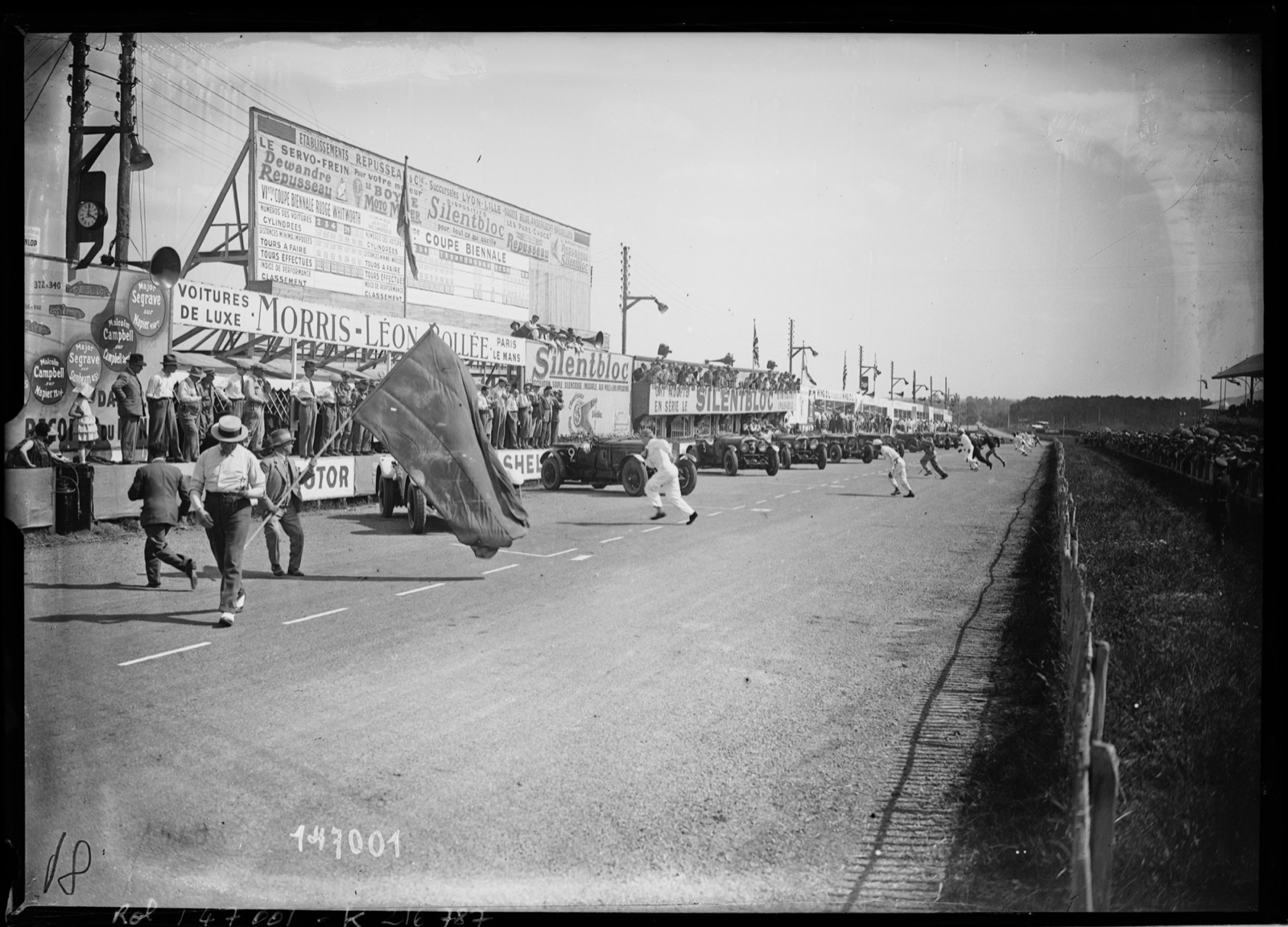
Motor Sport's report of July 1930 tells the opening laps. The Mercedes led for three laps, with Birkin 18 seconds behind at the end of the first; on the third Birkin broke the lap record "at over 92 m.p.h." and on the fourth he took the lead, but on the fifth the Mercedes was ahead again and Birkin was in the pits with a rear tyre "flapping wildly in ribbons". Nye (2021) gives Birkin's fastest lap as 89.69 mph and has him passing Caracciola near the end of the straight "at 120mph – with two wheels on the grass verge"; Bentley adds that his rear tyre was bald.
Nye writes that Birkin was "sent out as hare to draw the Caracciola/Werner Mercedes-Benz SSK to destruction", and Bentley's press office, in a release of November 2024, says the Blower pushed Mercedes-Benz "to the point of breakdown". The period record is plainer. Motor Sport's report says the Mercedes stopped at its pit at about 2.30 am with the dynamo dead and the battery flat, and the starter could not turn the engine, which the rules required for a restart; the database lists its retirement after 83 laps with "Battery". Bentley's heritage page instead has it retiring "with water pouring from the engine".
Neither Blower Bentley finished. Benjafield's car was withdrawn with a broken piston, and Birkin's was brought to a standstill three hours before the end in Motor Sport's 1930 report, four hours in Bentley's account, which says it dropped a valve. The victory went to Barnato and Kidston, whose Speed Six covered 1,821 miles at nearly 76 mph; Clement and Watney were second in another.
The 1930 French Grand Prix at Pau
The Blower Bentley's best result, as RM Sotheby's 2021 catalogue calls it, came on 21 September 1930 at Pau, where Birkin finished second in the French Grand Prix in a car Motor Sport's report of October 1930 describes as "a 4½-litre supercharged Bentley fitted with a 4-seater body". Motor Sport's preview of September 1930 called him "the sole English representative" in an entry of 37, 24 of them Bugattis; 25 cars started. Philippe Etancelin won in a 2-litre Bugatti in 2 hr 43 min 18⅖ sec, averaging over 90 mph for the 250 miles; Birkin took 2 hr 46 min 44⅗ sec, in Motor Sport's results of October 1930. He finished 10⅕ sec ahead of Juan Zanelli's Bugatti by those results, 14.2 sec by the Motor Sport database's times. Nye (2021) names the car as UR 6571; Birkin likened it among the Bugattis to "a large Sealyham surrounded by greyhounds" (Bonhams).
Later 1930 races and the end of the team
The Blower Bentley team's last outing was the BRDC 500 Miles of 4 October 1930, where Benjafield and Eddie Hall finished second on handicap in UU 5872 at 112.12 mph (Bentley; Nye, 2021). Paget ended her sponsorship that winter but kept the single-seater (Boddy, 1973). By May 1931 the remaining team cars were advertised for sale in Motor Sport (Bentley), and on 10 July 1931 Bentley Motors itself went into receivership (Nye, 2021).
Brooklands lap records
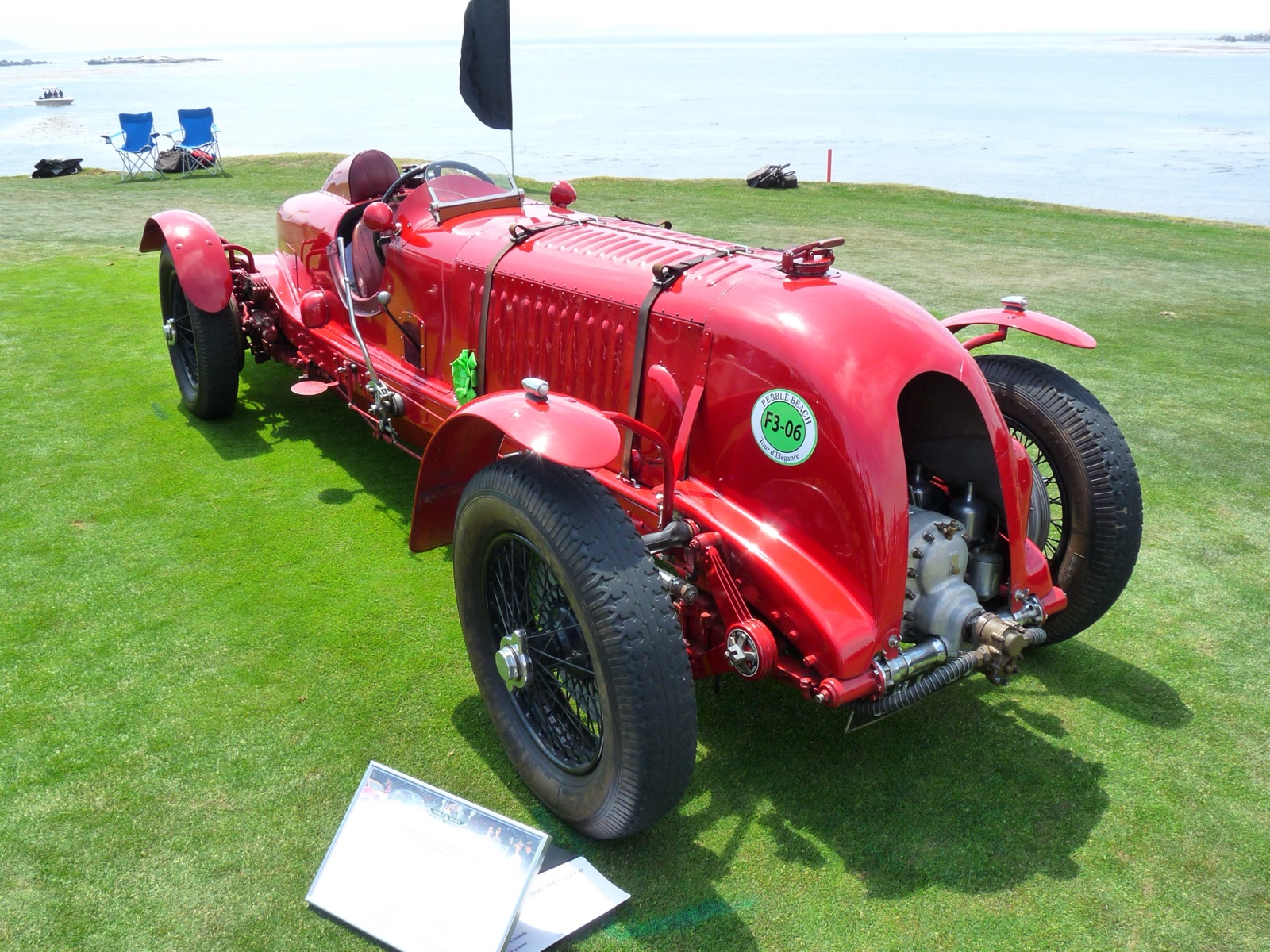
The Blower Bentley single-seater broke the lap record of the Brooklands Motor Course's Outer Circuit twice, in 1930 and 1932 (Boddy, 1973). Birkin still wrote in 1932 that Brooklands was "without exception, the most out-of-date, inadequate and dangerous track in the world", built for speeds no greater than 120 mph (Bonhams).
| When | Driver and car | Lap |
|---|---|---|
| Easter meeting, 1930 | Birkin, Blower Bentley single-seater | 135.33 mph (1 min 13.4 sec), breaking Kaye Don's record |
| Whitsun meeting, 1930 | Kaye Don, V12 Sunbeam | 137.58 mph |
| 24 March 1932 | Birkin, Blower Bentley single-seater | 137.96 mph (72.2 sec) |
| Easter meeting, 1934 | John Cobb, Napier-Railton | 139.71 mph (71.3 sec) |
After the 1930 record Birkin flew back to Le Touquet to claim the dinner Barnato had promised him that morning if he broke it (Bonhams). The 1932 record came in practice four days before the Easter meeting, and Motor Sport's report of April 1932 says it beat Don's time by a fifth of a second. Motor Sport's report of May 1934 gives its date and time, and records Cobb's 139.71 mph at the Easter meeting of 1934. Bonhams' catalogue opens by dating Birkin's record to 1931, which the period reports contradict.
Did the Blower Bentley ever win a race?
The Blower Bentley won only at Brooklands, and only in the single-seater: Nye (2021) calls it "the only Blower ever to win a race in period". Its first win, which Bonhams calls the first race victory by any Blower Bentley, was the Kent Long Handicap at the opening Brooklands meeting of 1930, at 119.13 mph; at Easter it won the Bedford Short Handicap at 117.81 mph (Boddy, 1973). In 1932 it won the Lightning Long Handicap at Easter, the Long Handicap at the Guy's Hospital gala at 124.33 mph, and a three-lap match race for 100 sovereigns against John Cobb's V12 Delage in August (Boddy, 1973).
Who drove the Blower Bentley?
The Blower Bentley's driver was above all Sir Henry 'Tim' Birkin, Baronet, who drove in all ten of the team's races and raced the single-seater at Brooklands; Benjafield drove it in the 1931 500 Miles, when it retired with a broken valve (Bonhams). Birkin was one of the Bentley Boys of the 1920s and 1930s, "one of the most famed" of them in Bonhams' 2012 press release. His book Full Throttle (1932), which a young student, Michael Burn, wrote from Birkin's own telling, has him say "I am quite small, and I do stammer", according to Motor Sport's review of its 2022 reissue. He burned his arm at Tripoli in 1933 and died in a London hospital on 22 June 1933, aged 36, of septicaemia (Bonhams).
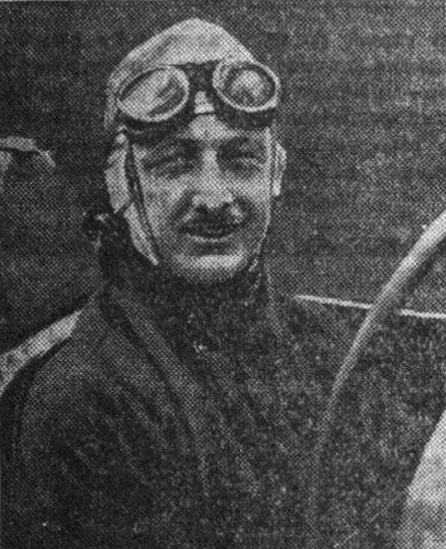
The other drivers came from the Bentley circle and beyond, as Nye's race-by-race account shows. Jean Chassagne shared Birkin's car in the 1930 Double Twelve and at Le Mans. Dr J. D. 'Benjy' Benjafield drove at the Double Twelve with Baron d'Erlanger, at Le Mans with Giulio Ramponi, and to second place in the 1930 500 Miles with Eddie Hall. Glen Kidston shared YU 3250 at the Double Twelve with Clive Dunfee in Nye's account, or with Jack Dunfee in Motor Sport's June 1930 report; Beris Harcourt-Wood raced at Phoenix Park and in the 500 Miles with George Eyston; Bertie Kensington-Moir, the team manager, finished 11th in the 1930 Tourist Trophy; George Duller shared the single-seater in the 1930 500 Miles. Bernard Rubin overturned his car in the 1929 Tourist Trophy (Bentley; Bonhams).
Where are the Blower Bentleys now?
The Blower Bentley survivors include two cars Bentley Motors owns, the single-seater in private hands since its 2012 sale, and production cars in museums and collections.
Bentley's own cars: UU 5872 and GH 6951
Bentley Motors has owned Birkin's Team Car No. 2, UU 5872, since 2000; a restoration in the 1960s kept its patina, and Bentley has run it in the modern Mille Miglia and at the Goodwood Festival of Speed and Pebble Beach (Bentley). Bentley also owns GH 6951, one of the 50 road cars, used as the demonstrator at its Cork Street offices, tested by The Autocar in September 1930 and seen in Gracie Fields's 1931 film Sally in our Alley; Eddie Shah bought it in 1994 and Bentley in 1997, according to Bentley's heritage page for GH 6951. Bentley entered both in the 2014 Mille Miglia.
The single-seater
The Blower Bentley single-seater stayed with Dorothy Paget, unused, until 1939, when Peter Robertson-Rodger bought it; it later carried a two-seater body by Chalmers of Redhill, passed to John Morley in 1958 and to 'Rusty' Russ-Turner by 1964, who put the single-seater body back (Boddy, 1973; the year from Boddy, 1999). Russ-Turner died of a heart attack while racing it at Silverstone in 1982, and the watchmaker George Daniels then owned it (Boddy, 1999). Bonhams sold it from the Daniels collection in 2012.
Production cars in museums and collections
The National Motor Museum at Beaulieu shows one of the 50, which first had a Vanden Plas drophead coupé body; the museum says that "like the other survivors, it was later re-bodied as an open tourer". The Simeone Foundation Automotive Museum's page describes its car as ordered by T. G. Moore, who had taken over Motor Sport, and as keeping its original engine, chassis and Vanden Plas body; it won a timed trial on the Isle of Man in 1931 at 62.33 mph. Cruickshank (1989) names the car Moore ordered as MS 3926, the first of the second batch.
How much is a Blower Bentley worth?
A Blower Bentley with racing history has sold for over £5 million, and production cars have sold for US$4 million or more at public auction, by the auction houses' own results.
| Sale | Car | Result |
|---|---|---|
| Bonhams, Goodwood Festival of Speed, 29 June 2012, lot 204 | UU 5871, the Birkin single-seater (HB 3402) | £5,041,500 with premium on the lot page; £5,042,000 in Bonhams' press release |
| Bonhams, Quail Lodge, 16 August 2013, lot 152 | MS 3944 (1931), in the ownership of the collector Charles R. J. Noble and his family for more than 55 years, one of three production cars with a Le Mans-specification chassis | US$4,647,500 with premium |
| RM Sotheby's, Monterey 2015, lot 342 | MS 3929 (1931), the last W. O.-era Bentley bodied by Vanden Plas in period, offered with a copy two-seater body and its original body crated | US$4,015,000 |
| RM Sotheby's, London 2021, lot 133 | SM 3903, the first production car, shown at Olympia in 1929 | Not sold; estimate £3,800,000–£4,200,000 |
Bonhams' press release of 29 June 2012 called the single-seater "the most expensive Bentley ever sold at public auction". For the Noble car, Bonhams' 2013 lot page gives the result, and its pre-sale release quotes Clare Hay calling it a "rarity among rarities". RM Sotheby's 2015 catalogue warns that pieced-together "specials" are common and that the question with any Blower is how much of it is original.
Blower Bentley continuation cars and replicas
The Blower Bentley returned to production in 2020, when Bentley Mulliner, the company's coachbuilding division at Crewe, completed the first of a continuation series copied from UU 5872.
The Blower Continuation Series
Bentley announced the series in its centenary year: 12 new Blowers, recreations of Birkin's Team Car No. 2, as Lizzie Pope reported in Classic & Sports Car on 9 September 2019. UU 5872 was taken apart and all its components laser-scanned. Adrian Hallmark, Bentley's chairman, said then: "The four Team Blowers are the most valuable Bentleys in the world, and we know there is demand for genuine recreations that can be used, enjoyed and loved without risk to the prized originals." Bentley's release of 9 December 2020 announced Car Zero, the prototype, after 40,000 hours of work: 1,846 parts designed and made, 230 of them assemblies including the engine, with a magnesium crankcase like the team cars' and a newly machined Amherst Villiers Roots-type supercharger; all 12 customer cars were already sold.
Bentley Mulliner shared the work with British specialists, the release says. Israel Newton & Sons, boilermakers near Derby, hand-formed and hot-riveted the chassis; the Vintage Car Radiator Company at Bicester Heritage made the nickel-silver radiator shell and the fuel tank; Lomax Coachbuilders of Ludlow made the ash frame, which the Mulliner trim shop wrapped in 25 metres of Rexine; and the seats hold 10 kg of horsehair, as the originals did. Car Zero's engine was run in on a test bed at Crewe whose cells were first used for Merlin aero engines.
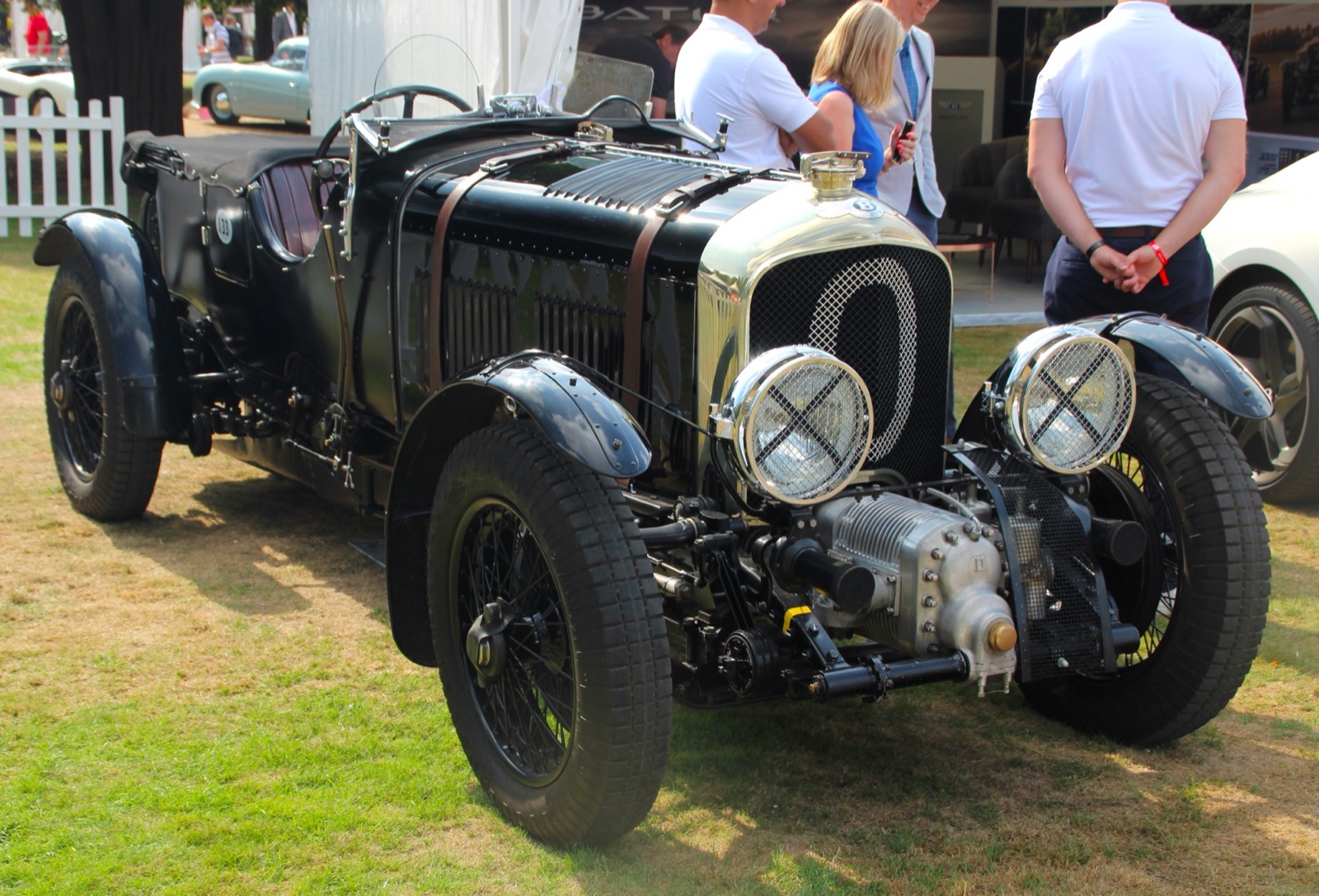
The 12 customer cars were built between 2021 and 2023, and Car Zero, after a test and development programme of more than 10,000 km and a six-hour run at Goodwood, raced in the Le Mans Classic in 2023, the first works-entered Bentley in a race at Le Mans since 2003, according to Bentley's heritage page for Car Zero. In 2024 a customer car finished the Benjafield Racing Club's 24-hour endurance race at Portimão, which Bentley's November 2024 release calls the first finish of a 24-hour race by a factory-built Blower.
Le Mans replicas and specials
Many production Blower Bentleys now wear open tourer bodies in the Le Mans style, and Cruickshank (1989) feared the day when all of them would. MS 3942, one of three with Vanden Plas four-seater bodies, was cut down to a 9 ft 9½ in wheelbase in 1946 and later rebuilt as a Vanden Plas Le Mans replica, its altered original body moved to another 4½ Litre (Cruickshank, 1989).
Blower Bentley rivals
The Blower Bentley's rivals were Caracciola's Mercedes-Benz at Le Mans and in Ireland, Bugatti at Pau, and the big track cars at Brooklands. Caracciola won the 1930 Irish Grand Prix in a Mercedes-Benz SSK, in the Motor Sport database's results, with Birkin fourth (Nye, 2021). At Pau the Bentley faced 24 other starters, 17 of them Bugattis, in Motor Sport's October 1930 list. At Brooklands its record battles were with Kaye Don's V12 Sunbeam, John Cobb's 10½-litre V12 Delage, and finally Cobb's Napier-Railton, whose 500 hp Napier engine took the lap record from it in 1934 (Motor Sport, May 1934). Within Bentley, the Speed Six beat it: Speed Sixes finished first and second in the 1930 Double Twelve and at Le Mans (Nye, 2021).
Questions and answers
Why is it called the Blower Bentley?
Because of its supercharger: "blower" was the period word for one, and Cruickshank's 1989 Motor Sport history uses it for the Villiers unit itself. He calls "Blower" the popular label for the supercharged 4½ Litre; Bentley Motors itself calls the car the Bentley Blower.
Did a Blower Bentley ever win Le Mans?
No. Two started in 1930 and both retired; Bentley's Le Mans wins in 1928, 1929 and 1930 came with the unsupercharged 4½ Litre and the Speed Six (Nye, Motor Sport, October 2021).
Was Birkin's Blower team a works team?
No. The Motor Sport database lists the 1930 Le Mans Blowers as entered by Miss Dorothy Paget, and the cars were built by Birkin & Couper at Welwyn. Bentley Motors' own team ran three Speed Sixes in that race.
How much did a Blower Bentley cost new?
£1,720 in 1930 with a Vanden Plas four-seater tourer body, according to Bentley's page for its demonstrator, GH 6951. Boddy wrote in 1999 that the supercharger added £425 to the chassis price.
Did James Bond drive a Blower Bentley?
In Ian Fleming's novels, yes: Bentley says Fleming gave Bond a supercharged 4½ Litre Bentley, and Doug Nye dates Fleming's choice of the Blower to 1953.
What colour was Birkin's Blower Bentley single-seater?
Blue when it was built for 1930, and red from 1932, when Birkin had it repainted (Boddy, Motor Sport, October 1973).
When did Tim Birkin die?
On 22 June 1933, aged 36, in a London hospital, of septicaemia after burning his arm at Tripoli; Bonhams' 2012 catalogue adds that he was already suffering from recurrent malaria.
Sources
- Bentley Motors, "1929 Team Blower – UU 5872", heritage collection, read 30 October 2026: team car history, Le Mans 1930, 54 cars, specification, owned since 2000.
- Bentley Motors, "1930 Demonstrator Blower – GH 6951", heritage collection, read 30 October 2026: W. O.'s view, power figures, price, the demonstrator's history.
- Bentley Motors, "2020 Blower Continuation Series Car Zero", heritage collection, read 30 October 2026: build dates, testing, Le Mans Classic 2023.
- Bentley Motors, "The first new Bentley Blower for 90 years", press release, 9 December 2020: Car Zero, parts count, engine.
- Bentley Motors, "First Speed Six delivery in 94 years, as a Blower finishes a 24 hour race", press release, 6 November 2024: the Portimão finish; the Le Mans 1930 claim.
- Bonhams, lot 204, Goodwood Festival of Speed sale, 29 June 2012: the single-seater's history, W. O. Bentley's words, result.
- Bonhams, "'Birkin' Bentley breaks world record to sell for £5 million", press release, 29 June 2012.
- Bonhams, lot 152, Quail Lodge sale, 16 August 2013, and pre-sale press release: MS 3944 and its result.
- Classic & Sports Car, Lizzie Pope, "The Blower Bentley is back!", 9 September 2019: the continuation series, four team cars, HB 3403.
- Motor Sport, "The Double Twelve", June 1930, p. 34: the 1930 Double Twelve, and Jack Dunfee in a Blower that retired with a broken valve.
- Motor Sport, "The Grand Prix d'Endurance", July 1930, p. 4: the 1930 Le Mans race.
- Motor Sport, "The Grand Prix revival", September 1930, p. 16: the Pau entry.
- Motor Sport, "French Grand Prix", October 1930, p. 8: Pau result and times.
- Motor Sport, "Brooklands Easter meeting", April 1932, p. 6: the 1932 lap record.
- Motor Sport, "High speeds and good racing at Brooklands", May 1934, p. 36: the record's date and time, Cobb's new record.
- Motor Sport, Bill Boddy, "Driving the ex-Birkin Blower-4½ single-seater Bentley", October 1973, p. 50: the single-seater's build, races, records and owners.
- Motor Sport, Gordon Cruickshank, "Veteran to classic: Bentley 4½-litre supercharged", January 1989, p. 55: design, production, the team's record, The Autocar's 1934 test.
- Motor Sport, Bill Boddy, "Monoposto!", July 1999, p. 52: origins, Olympia 1929, the single-seater's owners.
- Motor Sport, Doug Nye, "The legend of the Blower Bentley: magic or myth?", October 2021, p. 120: Hay's five team cars, race-by-race record, Le Mans 1930.
- Motor Sport, Simon de Burton, "Tim Birkin's Full Throttle: book review", March 2022, p. 42: the book and Birkin's words.
- Motor Sport database: 1930 Le Mans 24 Hours, 1930 French Grand Prix and 1930 Irish Grand Prix, read 30 October 2026: entrants, laps, retirements and times.
- National Motor Museum, Beaulieu, "Bentley 4.5 Litre Supercharged", read 30 October 2026: W. O.'s words, the museum's car.
- RM Sotheby's, Monterey 2015, lot 342: MS 3929, Clare Hay on supercharger numbers, result.
- RM Sotheby's, London 2021, lot 133: SM 3903, the first production car.
- Simeone Foundation Automotive Museum, "1931 Bentley 4.5 Litre Supercharged Tourer", read 30 October 2026: T. G. Moore's car.